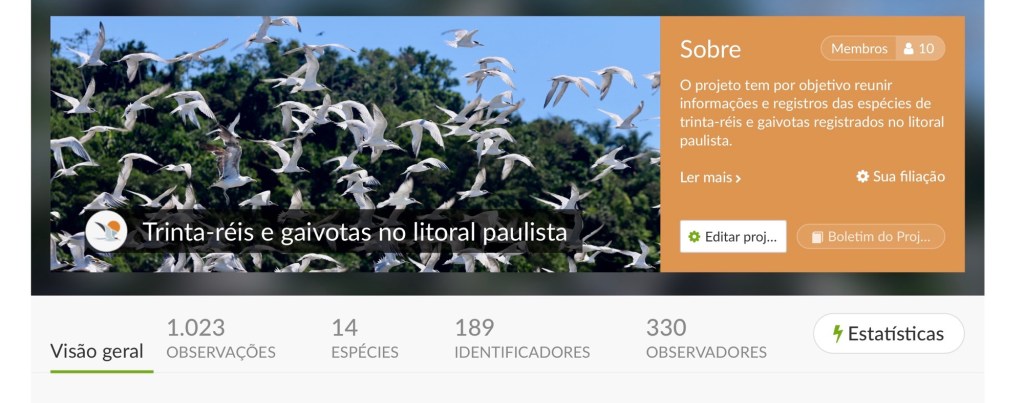
The project began its activities in 2020 and has, as one of its goals, to study — through scientific research — the populations of terns along the coast of São Paulo State, especially in their resting areas (usually beaches and estuaries), in order to support the conservation of the species and the habitats they occupy.
Currently, the project has two active members: biologists Dr. Márcio C. Motta and MSc. Marina Leite Marques.
Area of activity
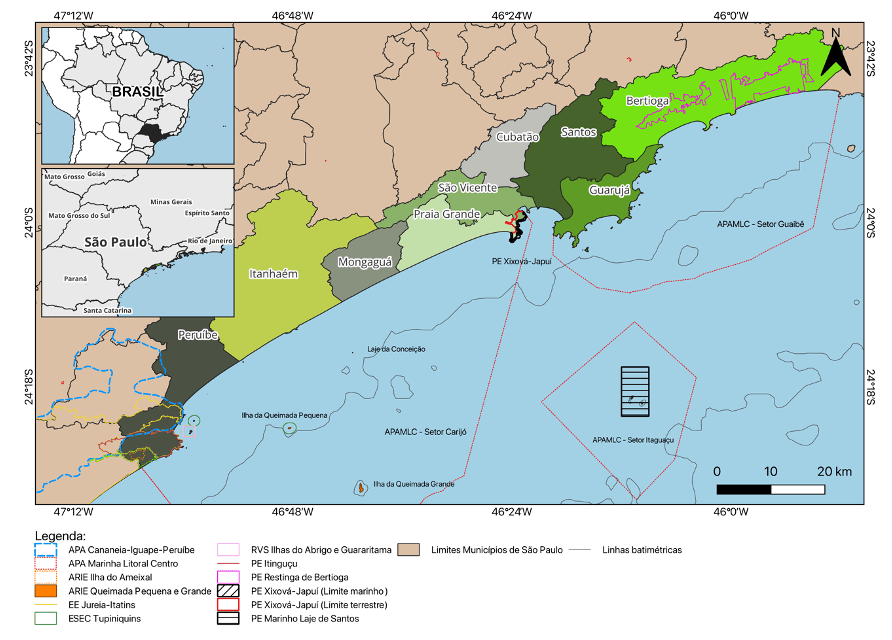
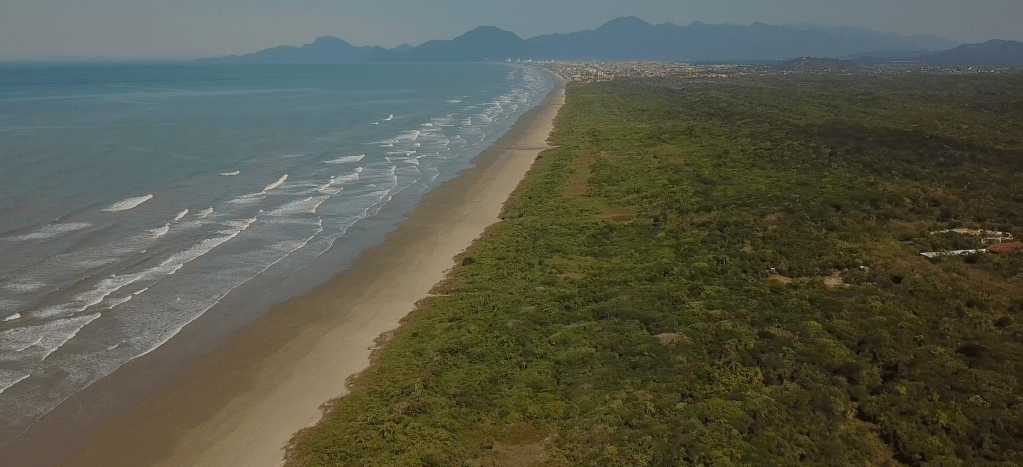
Central coast of São Paulo (Metropolitan Region of Baixada Santista), with plans to expand to other areas along the São Paulo coastline.
Studied species
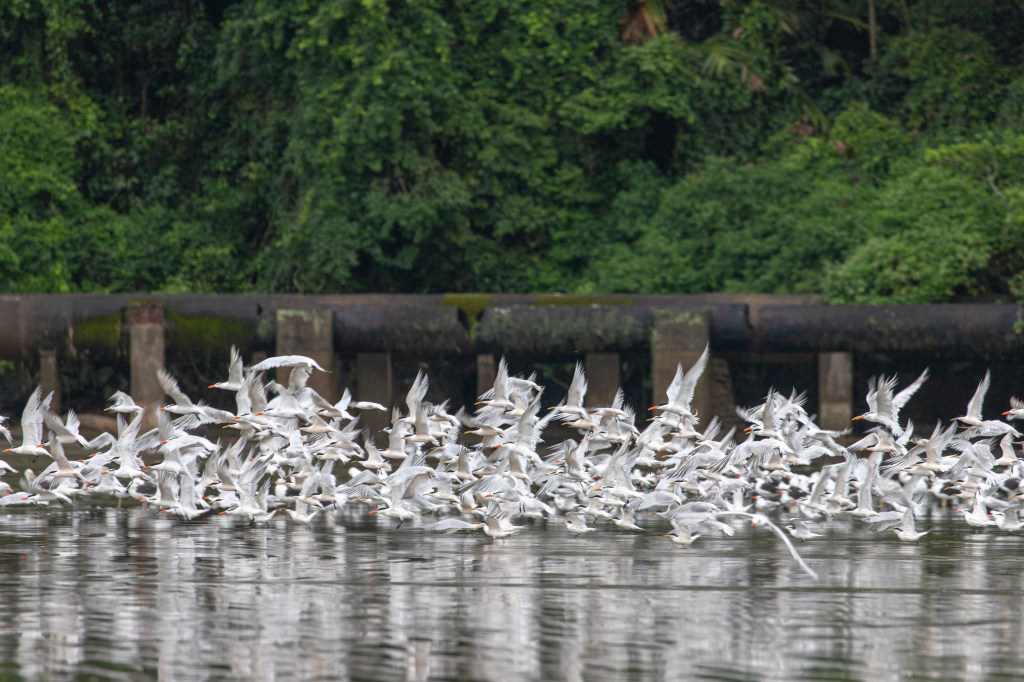
Our research focuses on two tern species that inhabit the region — the Royal Tern (Thalasseus maximus) and the Cabot’s Tern (Thalasseus acuflavidus) — as well as the Red-billed Tern (Sterna hirundinacea) and the Kelp Gull (Larus dominicanus).
We also record species that occur seasonally or occasionally in the area, such as the Common Tern (Sterna hirundo), Arctic Tern (Sterna paradisaea), and Snowy-crowned Tern (Sterna trudeaui).
Project activities
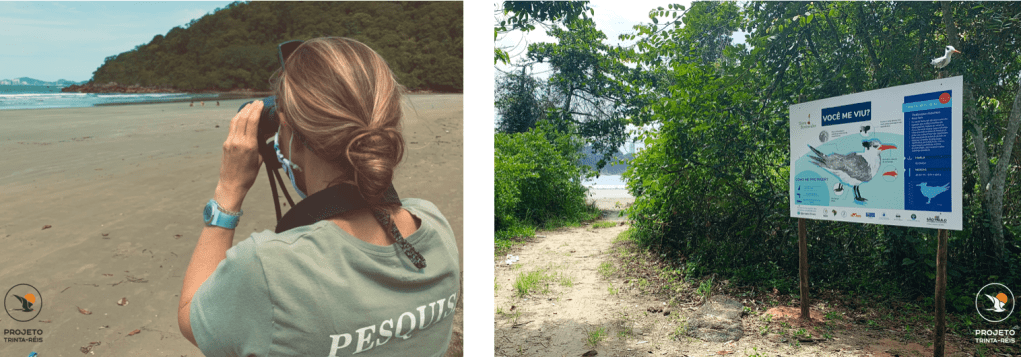
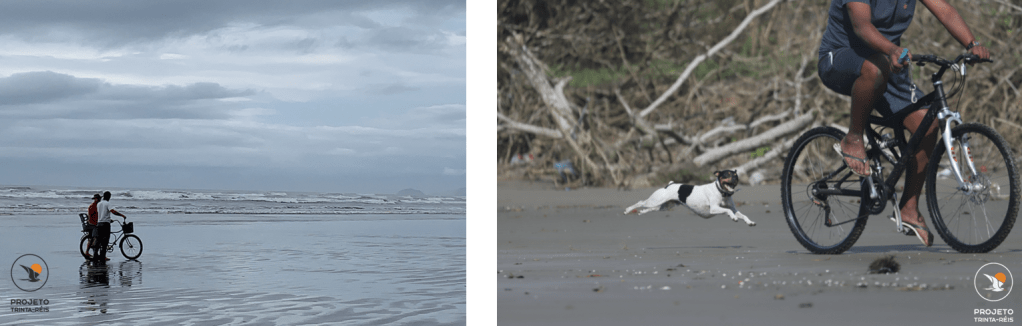
Click here to learn more about the Environmental Education project “Protecting the Coastal Birds of Xixová-Japuí State Park.”
Action and citizen participation
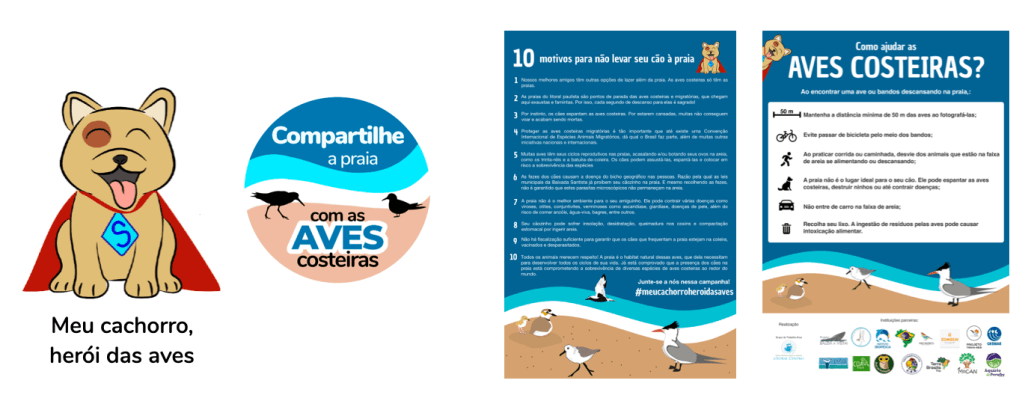
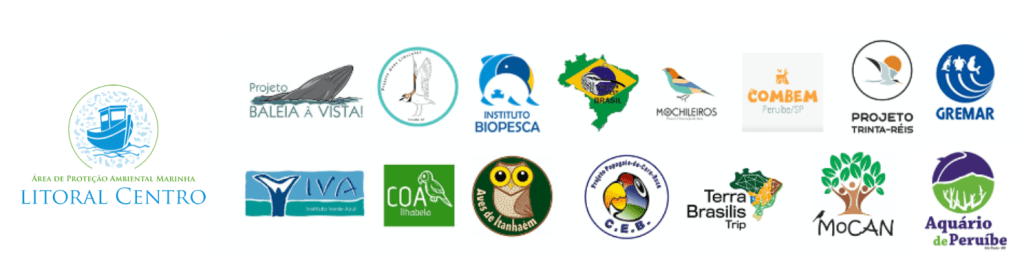
Together with several institutions, the project is part of the Working Group on Birds of the Central Coast Marine Protected Area (APAMLC), which promotes actions aimed at the protection and conservation of coastal birds within the APA. The group’s first initiative was the creation of the campaign “My Dog, a Hero for Birds”, conceived by the Wader Project (Peruíbe), which seeks to raise awareness among dog owners about the importance of not taking their pets to the beach.
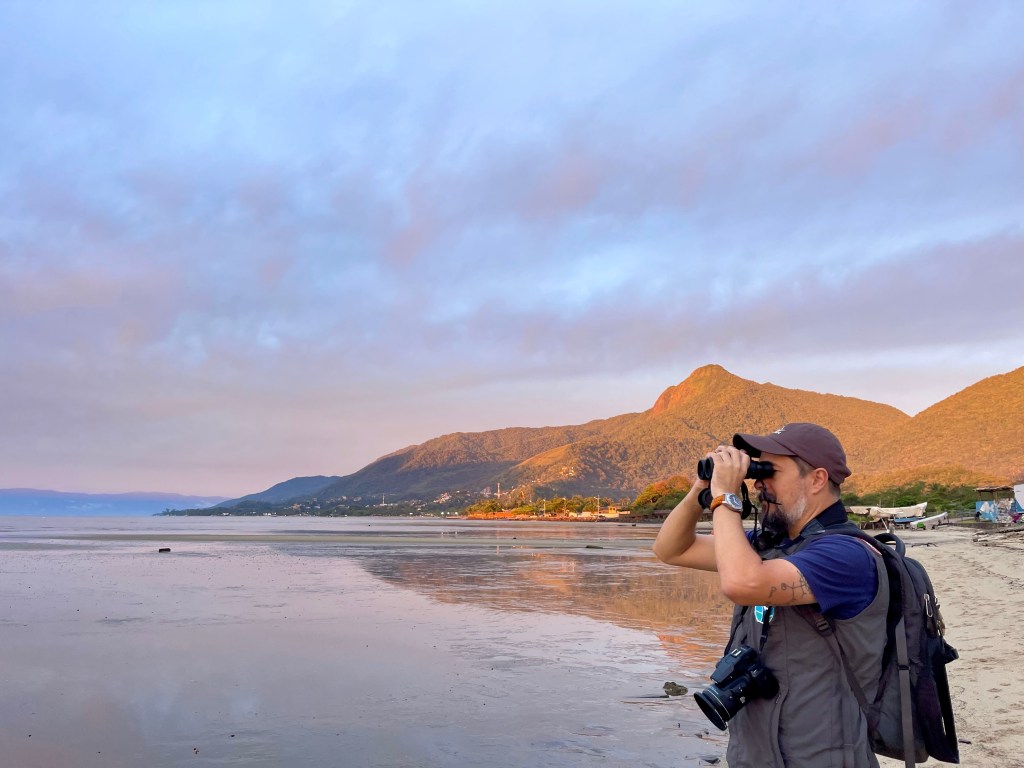
In addition, the project is currently part of the activities of the VIVA Instituto Verde Azul, through the VIVAvesprogram, which conducts monitoring at two sites in Ilhabela: Ilhote de Prainha and the Barra Velha Mangrove. The latter is monitored using the ISS Protocol (International Shorebird Survey – as a volunteer for Save Brasil) and the CNAA (Neotropical Waterbird Census – ICMBio/CEMAVE).
Would you like more information about the project? Get in touch with us at projeto30reis@pm.me.

 Projeto Trinta-réis